

HAMPTON ROADS BRACES FOR INCREASED RODENT ACTIVITY THIS FALL AND WINTER

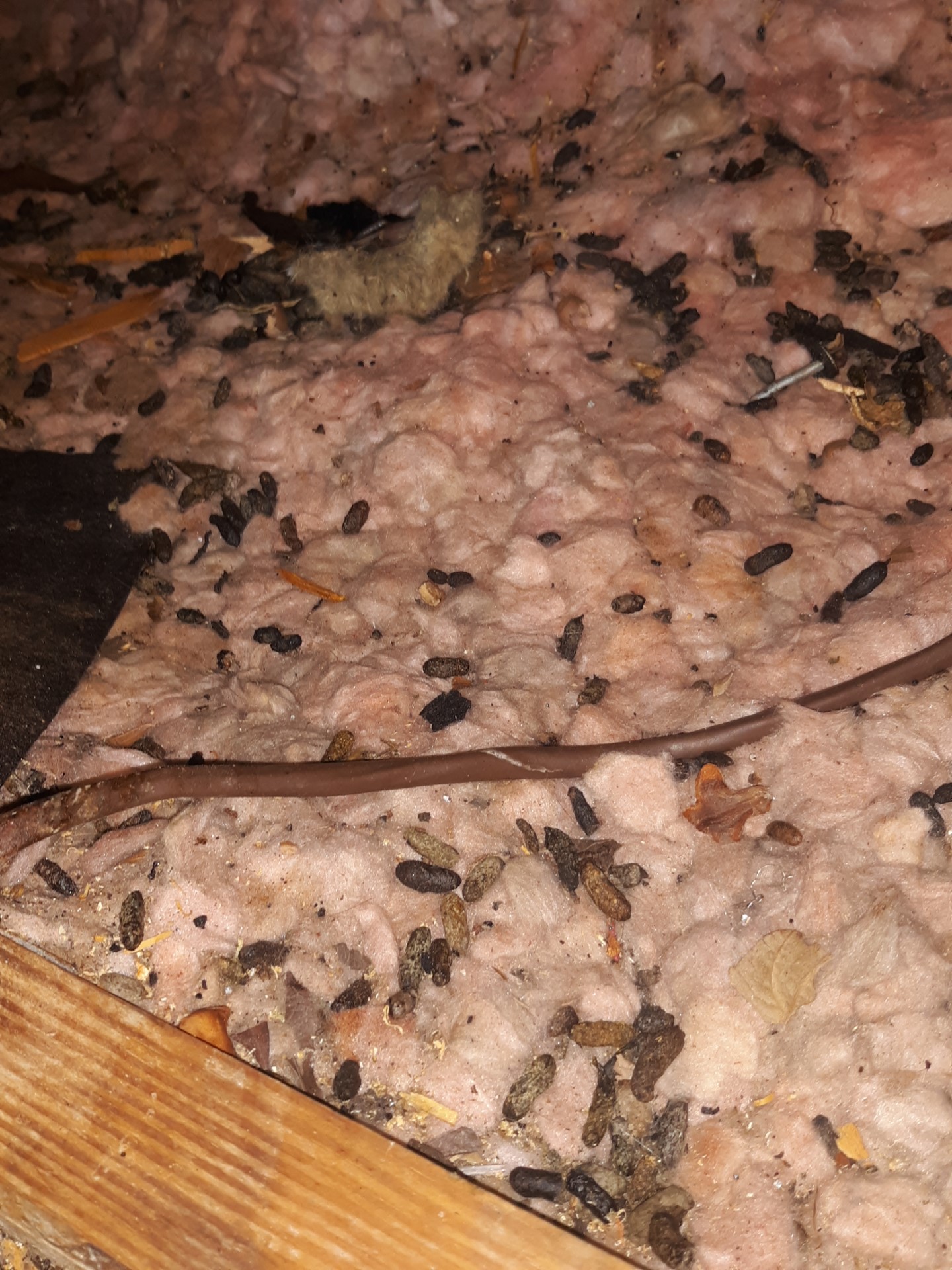
Rodent Infestation In a Homes Air Ducts
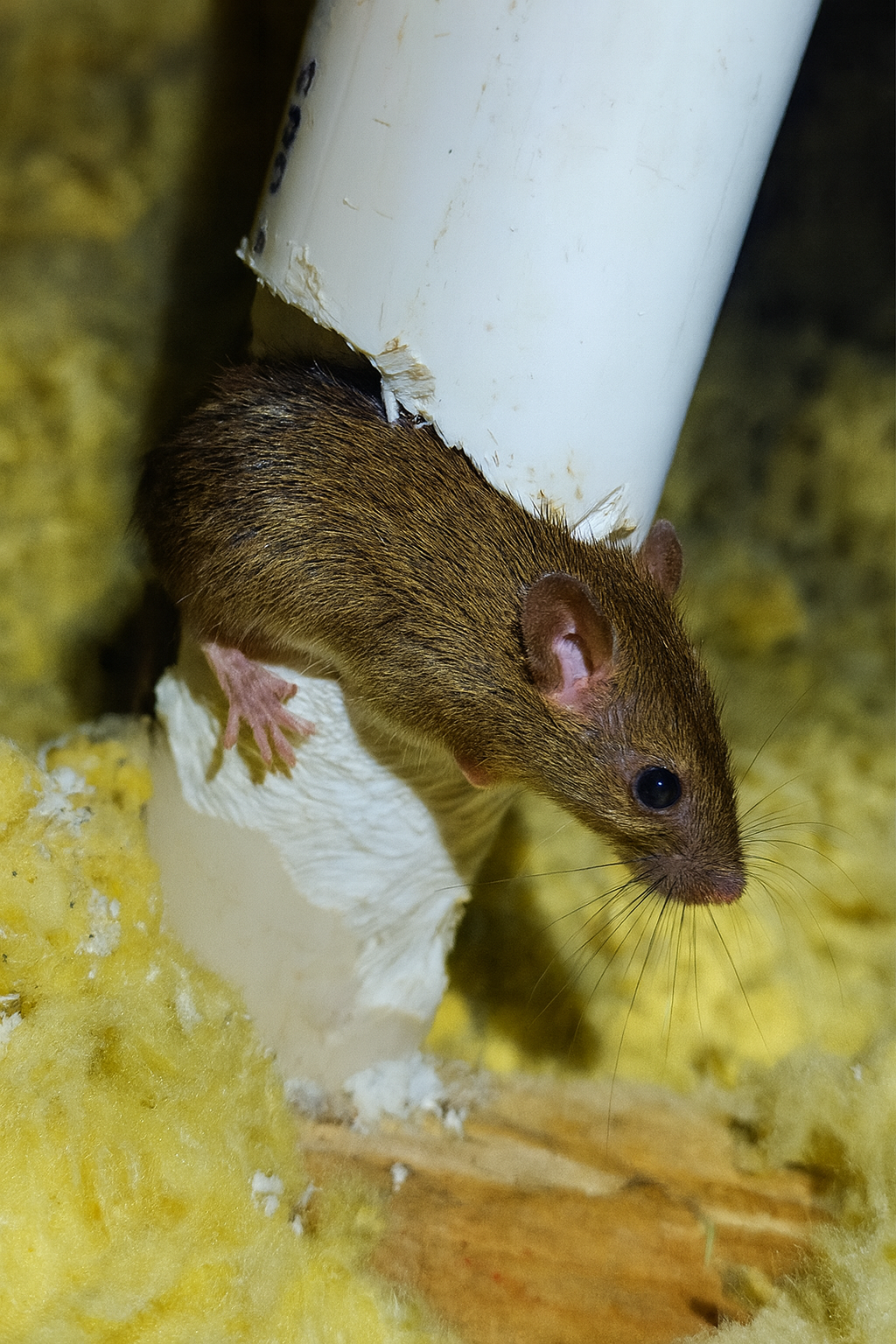
Rodent Entry Point in Vent
Hampton Roads faces increased rodent activity this fall and winter as colder weather, flooding, development and aging infrastructure drive rodents indoors.
Residents and businesses across Hampton Roads should prepare for increased rodent pressure this fall and winter as declining temperatures drive rats and mice toward dependable sources of food, water and shelter.
Hampton Roads is particularly vulnerable because of its unique combination of dense development, extensive waterways, flood-prone areas, stormwater systems, older neighborhoods, major commercial corridors and ongoing construction.
With approximately 1.8 million people in the Hampton Roads metropolitan area, the region also produces abundant food waste and contains thousands of residential, commercial and industrial structures that can provide rodents with shelter.
Communities throughout Norfolk, Virginia Beach, Chesapeake, Portsmouth, Suffolk, Hampton and Newport News can experience seasonal rodent pressure, but the reasons can vary considerably from neighborhood to neighborhood.
WATER MAKES HAMPTON ROADS DIFFERENT
Few metropolitan areas have a relationship with water quite like Hampton Roads.
The Chesapeake Bay, James and Elizabeth rivers, harbor, tidal creeks, wetlands, drainage ditches, canals and extensive stormwater infrastructure create countless potential rodent habitats and travel corridors.
Norway rats are capable swimmers and commonly live near water, sewers and underground infrastructure. Heavy rain, tidal flooding and coastal storms can inundate burrows and disturb established nesting areas, potentially forcing rodents toward higher, drier locations.
In Hampton Roads, that higher ground can mean residential crawl spaces, garages, sheds, warehouses, restaurants and other buildings.
This is one reason residents may notice increased activity following major rain or flooding events, even before truly cold winter weather arrives.
COLDER NIGHTS CAN PUSH RODENTS INDOORS
As nighttime temperatures decline through October, November and December, indoor structures become increasingly attractive.
Rodents need surprisingly little space to enter a building. A house mouse can squeeze through an opening approximately 1/4 inch wide — roughly the diameter of a pencil. Rats can exploit openings around 1/2 inch, depending on the animal and structure.
Gaps around crawl spaces, foundations, garage doors, plumbing, utility lines, HVAC penetrations, siding and rooflines can therefore become entry points.
Once rodents get inside, populations can grow quickly. House mice and Norway rats are capable of producing multiple litters each year, making early detection important.
OLDER NEIGHBORHOODS AND URBAN CORRIDORS FACE ADDED PRESSURE
Parts of Norfolk, Portsmouth, Hampton and Newport News contain older housing and commercial structures situated close to waterways, restaurants, alleys, underground utilities and dense development.
That combination can provide rodents with three things they need most: food, shelter and concealed routes between properties.
Virginia Beach and Chesapeake have their own risk factors, including large residential populations, restaurant and retail centers, wetlands, drainage canals and extensive suburban development.
Meanwhile, continued construction and land disturbance throughout Chesapeake, Suffolk and other growing portions of the region can disrupt existing rodent habitat.
Demolition and excavation do not necessarily eliminate established rodent populations. Instead, rats and mice may simply relocate to nearby properties.
TRASH AND FOOD WASTE CAN FUEL LOCAL POPULATIONS
Rodents are opportunistic feeders.
Restaurant districts, apartment communities, hotels, commercial dumpsters, household trash, pet food and birdseed can all provide reliable food sources.
A damaged dumpster lid, overflowing trash container, pet-food bowl left outside overnight or seed accumulating beneath a bird feeder may be enough to support repeated rodent activity.
This is particularly important in densely developed areas because rodents do not recognize property lines. Poor sanitation or structural problems at one property can increase rodent pressure on surrounding homes and businesses.
SIGNS HAMPTON ROADS RESIDENTS SHOULD WATCH FOR
Property owners should look for droppings in kitchens, garages and storage areas; gnawed food packaging; scratching noises inside walls or ceilings; greasy rub marks along walls; shredded nesting material; burrows near foundations; and unusual pet attention toward appliances, cabinets or walls.
Rodents can contaminate food and surfaces with urine, feces and hair. Their constant gnawing can also damage insulation, stored materials and electrical wiring.
PREVENTION SHOULD BEGIN BEFORE WINTER
For Hampton Roads property owners, rodent prevention should begin before sustained cold weather arrives.
Residents and businesses should inspect foundations, crawl spaces, doors, garages, vents and utility penetrations; seal accessible gaps; repair damaged screens; secure trash containers; remove accumulated debris; reduce outdoor food sources; and investigate signs of activity quickly.
Trapping rodents without addressing food, water, shelter and entry points may provide only temporary relief.
Hampton Roads' fall and winter rodent problem is ultimately driven by a distinctly local combination: water, flooding, dense development, older infrastructure, construction, abundant food sources and seasonal temperature changes.
When those factors come together, a warm Hampton Roads home or business can become prime winter shelter for rats and mice.
George Pilkington
Universal Pest & Termite, Inc.
email us here
Visit us on social media:
Instagram
Facebook
YouTube
TikTok
X
Legal Disclaimer:
EIN Presswire provides this news content "as is" without warranty of any kind. We do not accept any responsibility or liability for the accuracy, content, images, videos, licenses, completeness, legality, or reliability of the information contained in this article. If you have any complaints or copyright issues related to this article, kindly contact the author above.
